How Cultural Textile Traditions Shape Modern Fabric Texture Design
By Mira Kapoor | 15 June 2026 | 10 mins read
Table of contents
Table of Contents
Step into any modern clothing boutique or interior design showroom, and you will find yourself surrounded by an astonishing variety of fabric textures. From the crisp, structural ridges of a heavy jacket to the fluid, puckered surface of a summer dress, texture dictates how we experience material.
In our fast-paced digital era, it is easy to assume these textures are the purely mechanical products of modern technology. However, contemporary fabric designers are increasingly looking backward. They are turning to centuries-old global textile traditions to inspire the tactile feel, structural depth, and visual narrative of modern materials.
By translating artisan techniques into modern manufacturing, designers are creating unique, meaningful surface designs that resonate with a tactile-starved audience. This article investigates how cultural textile heritages influence modern fabric design, and how to honor these traditions respectfully.
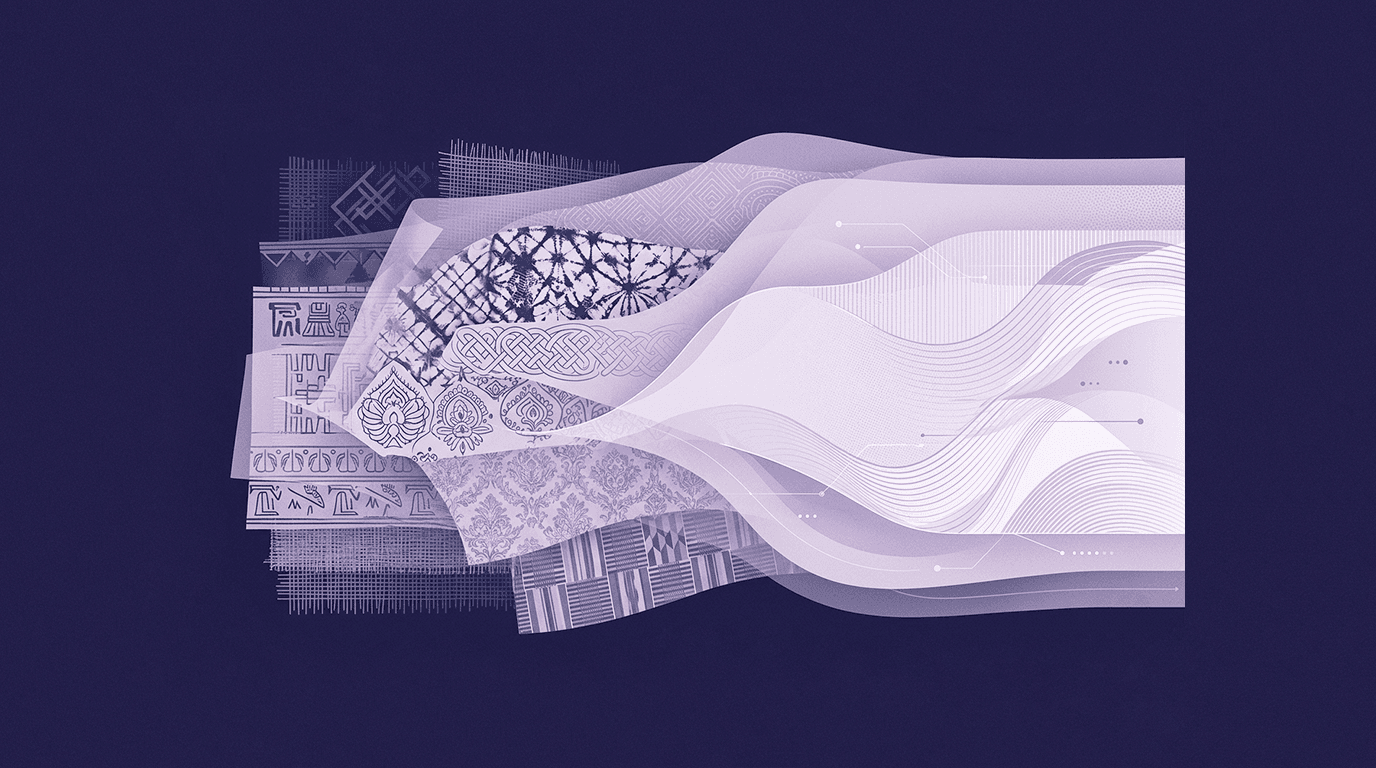
The power of touch: Why texture matters in modern design
Before diving into specific cultural traditions, we must understand the changing role of texture in the design industry today. For decades, mass production prioritized flat, smooth, inexpensive synthetic fabrics like standard polyester. While cheap to produce, these materials often lacked sensory appeal and emotional character.
Moving beyond visual patterns
In the past, fabric variation was achieved primarily through printed graphics, simply stamping a flat, colorful pattern onto a smooth surface. Today, the design world is experiencing "tactile fatigue." Because we spend so much of our lives interacting with flat, glass digital screens, we subconsciously crave physical, tactile sensations in our physical environments and clothing.
Modern fabric designers no longer just ask, "What does this fabric look like?" They ask, "How does this fabric feel under the fingertips? How does it catch the light?"
Cultural textile traditions provide the ultimate blueprint for this tactile exploration. Because historic textiles were created by hand using natural fibers, their surfaces are naturally rich with structural variations, raised geometric ridges, and organic irregularities that modern machinery is now trying to replicate.
West African kente and mudcloth: Structural geometry and raised weaves
West Africa holds one of the world's most vibrant and structurally distinct textile histories. Traditions like Ghanaian Kente weaving and Malian Bògòlanfini (commonly known as Mudcloth) have shifted from localized artisanal crafts to foundational inspirations for modern interior and fashion textures.
The tactile architecture of kente
Traditional Kente cloth is not a single wide piece of fabric. It is made by meticulously weaving narrow, three-to-four-inch strips of silk and cotton on a historic handloom, which are then sewn together edge-to-edge. This process creates a highly distinct structural texture characterized by raised ridges, thick horizontal bands, and alternating geometric blocks.
Modern textile designers use high-speed industrial jacquard looms to mimic this structural architecture. Instead of flat prints, contemporary upholstery, rugs, and heavy outerwear fabrics incorporate varied yarn weights (such as combining thick chenille with thin cotton). This replicates the alternating raised-and-lowered geometric surface feel of authentic hand-woven Kente strip-cloth, adding immense physical depth to modern spaces.
Replicating the earthy irregularity of mudcloth
Malian Mudcloth relies on a chemical reaction between organic cotton canvas, fermented river mud, and local plant dyes. The resulting texture is intentionally raw, slightly stiff, and heavily textured, featuring matte geometric symbols that stand out against the woven background.
In modern fabric texture design, this inspires a move away from chemical smoothness. Designers utilize slub yarns, yarns that feature intentional lumps, knots, and imperfections, and wash-softened canvas to capture that earthy, hand-hewn quality. The result is a modern fabric surface that feels grounded, human, and heavily tactile.
Japanese shibori and sashiko: three-dimensional relief and structural stitching
Japanese textile traditions are globally celebrated for their precision, minimalism, and profound understanding of material manipulation. Two specific practices, Shibori and Sashiko, serve as direct inspirations for modern three-dimensional fabric textures.
Shibori and the permanent fabric relief
While many people mistake Shibori for simple tie-dye, it is actually a highly sophisticated method of physical fabric manipulation. Artisans bind, stitch, fold, twist, and compress fabric before dyeing it. When the ties are removed, the fabric retains a permanent memory of that physical compression, resulting in a puckered, pleated, or three-dimensional crater-like texture on the surface.
Modern fashion and industrial designers use heat-setting technology on synthetic and blended fibers to scale up this traditional texture. Fashion lines utilize these permanent, architectural puckers to create clothing that stretches, collapses, and catches architectural shadows dynamically as the wearer moves, translating an ancient artisan craft into avant-garde modern streetwear.
Sashiko as a blueprint for heavy quilting
Sashiko, which translates to "little stabs," began as a practical running stitch used by working-class Japanese communities to patch, reinforce, and quilt worn-out garments. The white cotton thread layered on top of dark indigo blue fabric created a raised, geometric grid of rhythmic stitches.
Today, this look is a cornerstone of modern quilted apparel and luxury bedding textures. Advanced computer-controlled stitching machines duplicate these rhythmic geometric structures across heavy linens and cottons. The raised contrast stitching gives modern fabrics a distinct, weighted texture that communicates comfort, durability, and historic craftsmanship.
South American ikat and Andean weaving: Visual texture and warp manipulation
The mountainous regions of South America, particularly the Andes, boast an unbroken chain of textile mastery stretching back thousands of years. The techniques used to manage color and structural density in these regions continue to shape how modern designers think about "visual texture."
The blurred boundaries of ikat (Jaspe)
In the traditional Ikat (or Jaspe in Guatemala) technique, the individual threads are tightly bound and dyed before they are ever placed onto the loom. Because it is incredibly difficult to align these pre-dyed threads perfectly during the weaving process, the resulting fabric features a highly distinctive blurred, bleeding, or hazy edge variation.
Modern fabric designers use this traditional optical effect to create a sense of movement on fabric surfaces. By intentionally manipulating the tension on modern industrial looms or utilizing advanced space-dyeing techniques on yarns, manufacturers can recreate this beautiful, soft blur. This technique softens sharp geometric patterns, giving apparel and drapery fabrics an organic, watercolor-like depth that feels soft to the eye even if the material is physically smooth.
Spotlight on global traditions: Surface texture profiles
To understand how these traditions manifest in modern design, we can examine the specific surface texture profiles of core regional heritages:
- Kente strip weaving (West Africa): Characterized by alternating raised geometric ridges and heavy structural bands. It is commonly applied to luxury upholstery, heavy outerwear, and structural rugs.
- Shibori binding (Japan): Features permanent three-dimensional pleats, puckers, and crimps. It is widely used in avant-garde fashion, architectural drapery, and dynamic activewear.
- Sashiko stitching (Japan): Defined by rhythmic running stitches that create a raised grid relief. This is highly popular in modern quilted jackets, premium bedding, and home textiles.
- Andean ikat / Jaspe (South America): Noted for blurred, hazy pattern boundaries that create optical visual depth. It is typically used for soft drapery, jacquard knitwear, and statement apparel.
- Scottish tartan (Europe): Uses balanced twill ridges to create distinct diagonal surface lines. This remains a staple for classic tailoring, tailored furniture, and woolen blankets.
European tartan and tweed: Tweed slubs and diagonal twill lines
The rugged environments of Scotland and Ireland gave birth to textures designed purely for survival, which have now become symbols of luxury and timeless sophistication in modern tailored fabrics.
The tactical roughness of Harris tweed
Authentic Harris Tweed is famously hand-woven by islanders in the Outer Hebrides of Scotland using local virgin wool. The fleece is dyed before being spun, allowing multiple rich, earthy colors to blend into a single strand of yarn. The resulting fabric is dense, coarse, wind-resistant, and heavily sprinkled with natural imperfections, wood fragments, and irregular slubs.
Modern winter apparel and interior design rely heavily on this heritage look. Industrial mills intentionally inject irregular wool and acrylic nubs into the spinning process to recreate this coarse, multi-toned structural look. This brings a sense of rugged, heritage-driven warmth to modern overcoats, blazers, and mid-century modern furniture pieces.
The geometry of the twill line
Scottish Tartan and traditional plaids are defined by their "twill" weave. Unlike a basic over-under plain weave, a twill weave steps the over-under pattern sideways with each row, creating a highly visible, distinct diagonal line across the face of the fabric.
Modern fabric designers constantly manipulate this diagonal twill line to adjust how an item catches light and hangs on the body. By scaling up the size of the twill line (creating "mega-twills"), designers give denim, heavy cottons, and suitings a heavy, visible structural pattern that looks sharp and premium from a distance.
Central and south asian block printing and suzani: Raised reliefs and intentional imperfections
The rich Silk Road trade routes across Central and South Asia provide the global design pipeline with texturing methods that celebrate the beauty of human touch.
The imperfect surfaces of indian woodblock printing
Traditional Indian block printing requires artisans to hand-carve intricate patterns into blocks of teak wood, dip them in natural dyes, and stamp long reams of cotton by hand. Because human hands apply the pressure, every strike varies slightly. The ink pools thicker in some areas, leaves faint voids in others, and creates a subtle, layered surface crust on the cotton fiber.
Modern textile design actively fights against "machine perfection" by replicating these exact print variations. Digital printing programs are now coded with intentional irregularity algorithms that mimic the variable stamping pressure of a human hand. This gives lightweight summer linens and cottons a charming, soulful, and relaxed visual texture that feels authentic rather than mass-synthesized.
Suzani and heavy hand-embroidery relief
Uzbek Suzani cloths are large, decorative cotton or silk panels covered in heavy hand-embroidery using chain and buttonhole stitches. The density of the silk thread embroidery creates a massive, raised contrast against the flat background cloth, forming an incredibly rich, tactile relief map of medallions, pomegranates, and vines.
In modern home decor and luxury fashion, this heritage texture is achieved through specialized multi-needle embroidery machines. By utilizing thick, matte cotton threads over glossy satin or linen base fabrics, modern designers recreate that historic, heavy three-dimensional relief. This technique gives accent pillows, statement jackets, and wall hangings an unmistakable premium quality that begs to be touched.
The designer’s responsibility: appreciation vs. appropriation
As modern fabric designers mine global history to build unique surface textures, they face a critical ethical boundary: the line between cultural appreciation and cultural appropriation. Textile traditions are not mere commercial aesthetic trends; they are sacred living histories, economic lifelines for indigenous communities, and visual languages that convey status, family lineage, and spiritual beliefs.
Best practices for ethical surface design
To create meaningful, respectful surface designs that honor global textile heritage, modern designers should follow three core guiding principles:
- Acknowledge and educate: Never disguise a culturally inspired texture as a purely original modern invention. Use product labels, hangtags, and marketing copy to actively educate consumers about the specific history, region, and tradition that inspired the fabric texture.
- Collaborate and compensate: The most ethical way to use a traditional texture is to work directly with the artisan communities who keep the craft alive. Partner with traditional weavers, dyers, and embroiderers, pay them fair wages, and credit them as co-designers on the project.
- Innovate rather than direct-copy: Instead of cloning a sacred cultural symbol or ceremonial pattern word-for-word, study the underlying structural technique. Focus on the mechanics, such as how a specific pucker is achieved, how yarn weights alternate, or how thread contrasts are balanced, and use those technical principles to build entirely new, modern design expressions.
The future of fabric texture is written in the past
The deep relationship between historic cultural textile traditions and modern fabric texture design proves that innovation does not always require looking forward into a sterile, digital future. Sometimes, true innovation requires looking backward at the incredible material wisdom of our ancestors.
By studying, respecting, and adapting the physical mechanics of global textile heritages, modern fabric designers can break away from the flat, uninspiring limitations of cheap mass production.
These historic techniques allow creators to infuse modern synthetic and natural fiber blends with deep emotional value, physical depth, and striking narrative meaning. As the digital world continues to expand, our physical environments will require more grounding, soulful, and heavily tactile materials. By blending ancient craftsmanship with modern manufacturing efficiency, today's textile designers ensure that the future of fabric design remains beautifully, unmistakably human.

Mira Kapoor
Mira leads marketing at Texturly, combining creative intuition with data-savvy strategy. With a background in design and a decade of experience shaping stories for creative tech brands, Mira brings the perfect blend of strategy and soul to every campaign. She believes great marketing isn’t about selling—it’s about sparking curiosity and building community.
Latest Blogs
Top 5 Benefits of Using PBR Textures in Digital Design
PBR textures
AI in 3D design

Max Calder
Jun 12, 2026
How AI Minecraft Texture Generators Are Changing Resource Pack Cr...
AI in 3D design
Game textures
Max Calder
Jun 10, 2026

AI Texture Creation: Comprehensive Benefits for Modern 3D Design
AI in 3D design
Industry trends

Mira Kapoor
Jun 8, 2026

Accelerate you workflow
with automated PBR texture generation
Enjoy creative freedom with AI powered texture creation
 Texturly
info@texturly.com
Copyright © 2026 Texturly, Asha Technology Labs Pvt. Ltd. All rights reserved