Blog & Updates From Texturly

Texturly blog for the latest news, tips, tricks, and how-to articles on advanced AI texture generation platform.

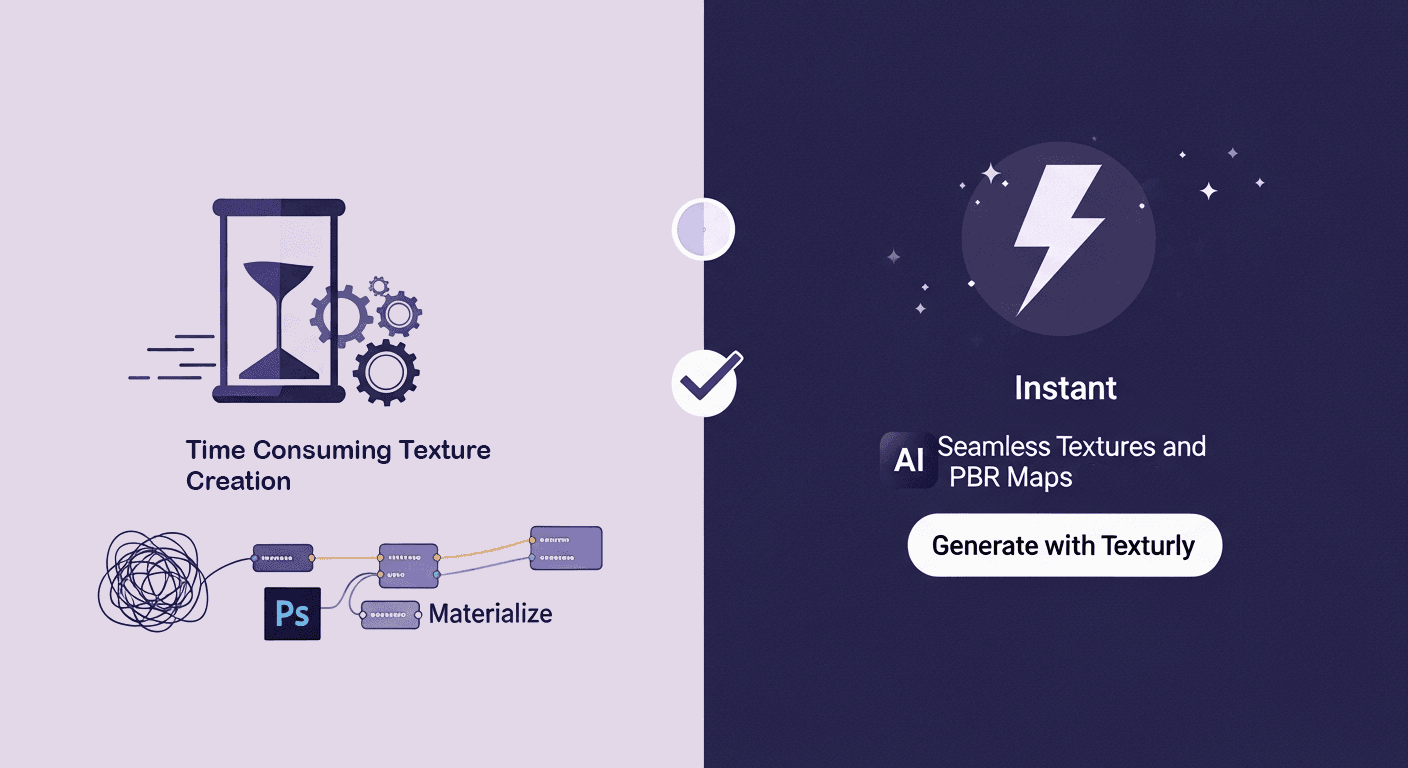
A comparison of texture production method: the left side shows an hourglass and a complex node graph with Photoshop and Materialize icons, labeled Time Consuming Texture Creation; the right side shows a lightning bolt labeled Instant and Generate with Texturly, illustrating the difference between hours to minutes.
A visual comparison of traditional methods using tools like Photoshop and Materialize is complex and time-consuming, contrasting sharply with the instant, seamless textures and PBR maps generated by Texturly AI.

From Hours to Minutes: Texturly vs Photoshop & Materialize for Texture Production

AI in 3D design3D textures

Tired of your team being bogged down by tedious texturing tasks? This article reveals how AI-powered Texturly can revolutionize your workflow by compressing hours of manual labor into mere minutes, enabling artists to focus on creativity and artistry.

Mira Kapoor

Mira Kapoor

Dec 12, 2025 · 11 mins read
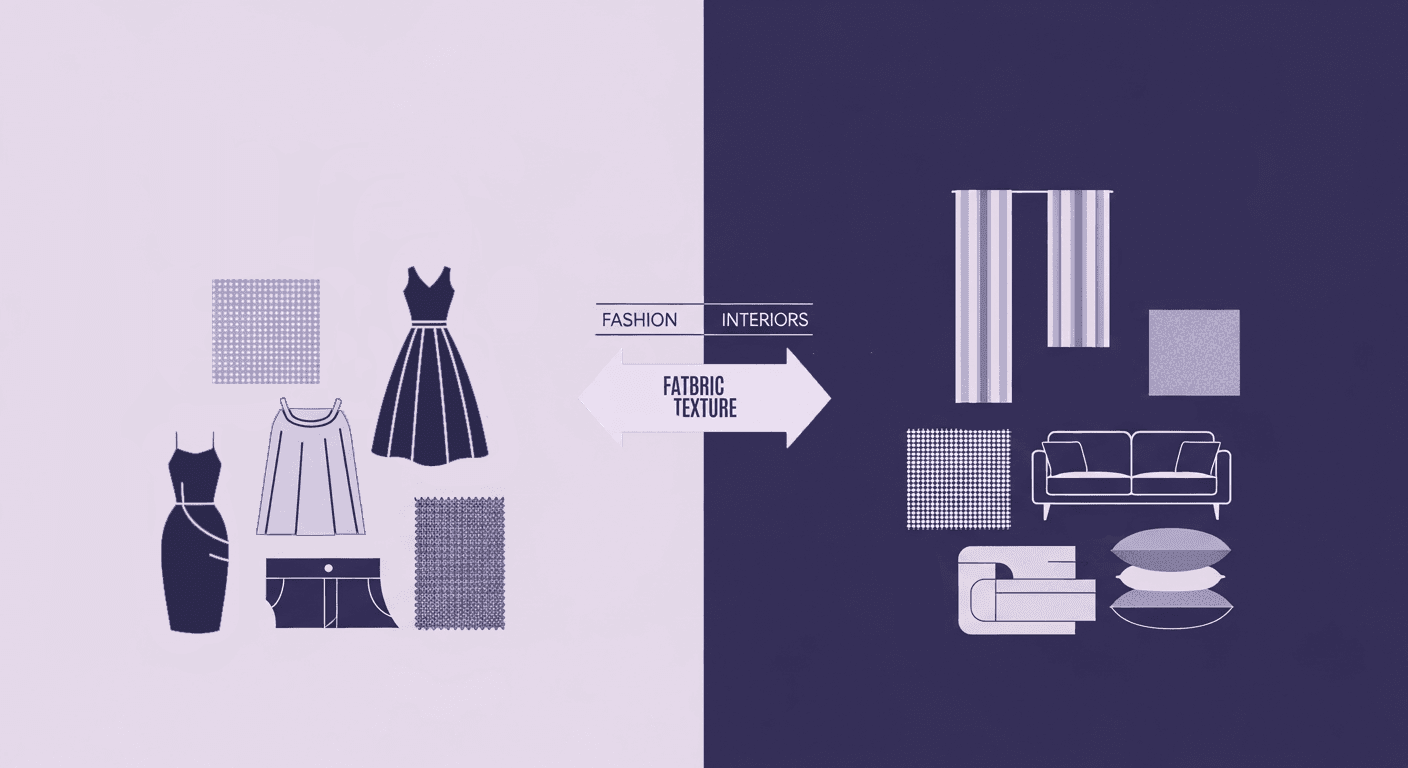
A conceptual diagram split into two sides: the left side displays various clothing items (fashion) and fabric swatches, while the right side displays furniture and curtains (interiors). A central arrow labelled Fabric Texture points toward both, illustrating how texture shapes design strategy across both industries.
Highlighting the universal role of fabric texture, this image demonstrates how the choice of material influences the overall design strategy for both fashion (clothing) and interior design (upholstery, drapery, and soft furnishings).

How Fabric Texture Shapes Design Strategy in Fashion and Interiors

Fabric textures3D textures

Explore the transformative power of fabric textures in both fashion and interior design. This article unveils how to strategically apply texture as a creative tool to build emotionally resonant, sustainable designs. Dive in to understand how texture bridges creativity with business success.

Mira Kapoor

Mira Kapoor

Dec 10, 2025 · 13 mins read
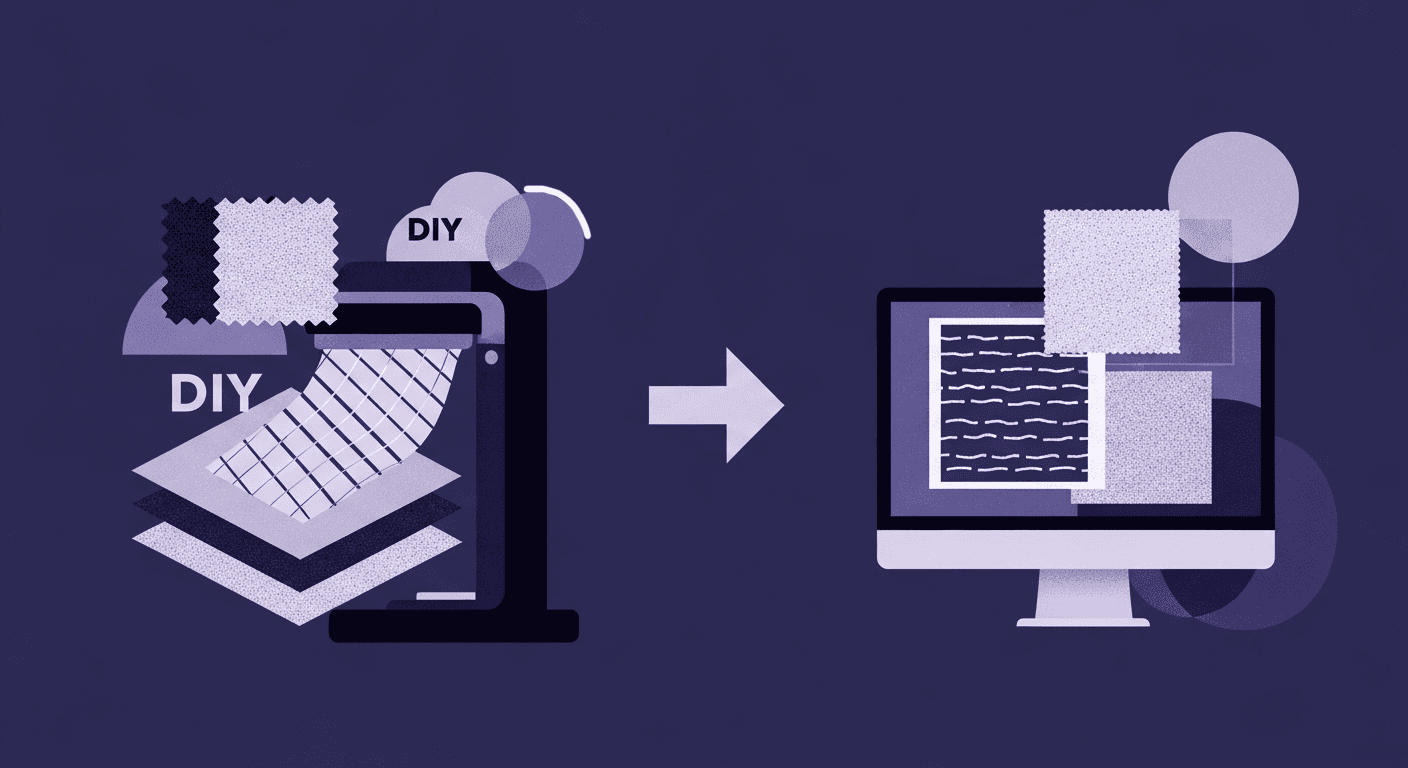
A conceptual diagram showing various layered DIY textile samples and handmade patterned papers being placed into a scanner (left), with an arrow pointing to a computer monitor (right) displaying the resulting digital textures ready for use in digital design or 3D art.
Illustrating the process of transforming physical, DIY textile textures into digital assets. This technique involves scanning or capturing real-world materials to create unique digital designs that have an authentic, tactile feel.

DIY Textile Texture Techniques That Make Digital Designs Come Alive

Fabric texturesTexture creation

Are your digital textures falling flat? Discover how hands-on textile texture techniques can transform your DIY textile projects and digital designs. This guide dives into the tactile world of fabric manipulation, helping you create more authentic, impressive textures.

Max Calder

Max Calder

Dec 8, 2025 · 16 mins read
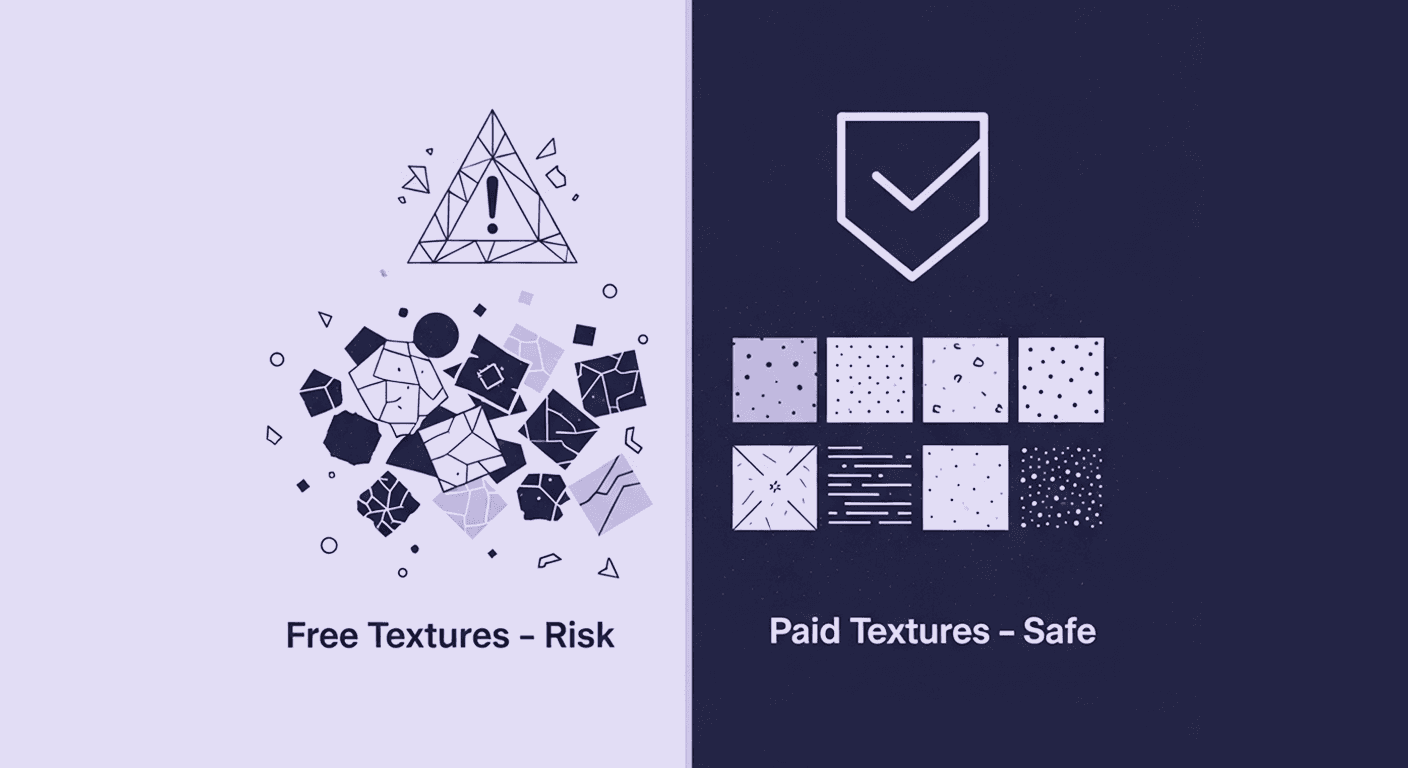
A conceptual diagram is split into two sides. The left side shows chaotic, broken shapes and a warning sign labelled Risk, while the right side shows organised, clean texture swatches with a checkmark labelled Safe, addressing the decision for PBR textures.
This graphic presents a Decision Framework for PBR Textures, contrasting the inherent quality and legal risk associated with using unvetted free textures with the predictable, safe, high-quality standards typically found in paid textures.

Cost vs. Quality: A Decision Framework for PBR Textures

PBR textures3D textures

Explore the hidden costs behind free PBR textures in this in-depth analysis. We uncover why these seemingly cost-effective resources might end up draining your pipeline, and offer strategic insights to balance quality, time, and budget effectively.

Mira Kapoor

Mira Kapoor

Dec 5, 2025 · 13 mins read
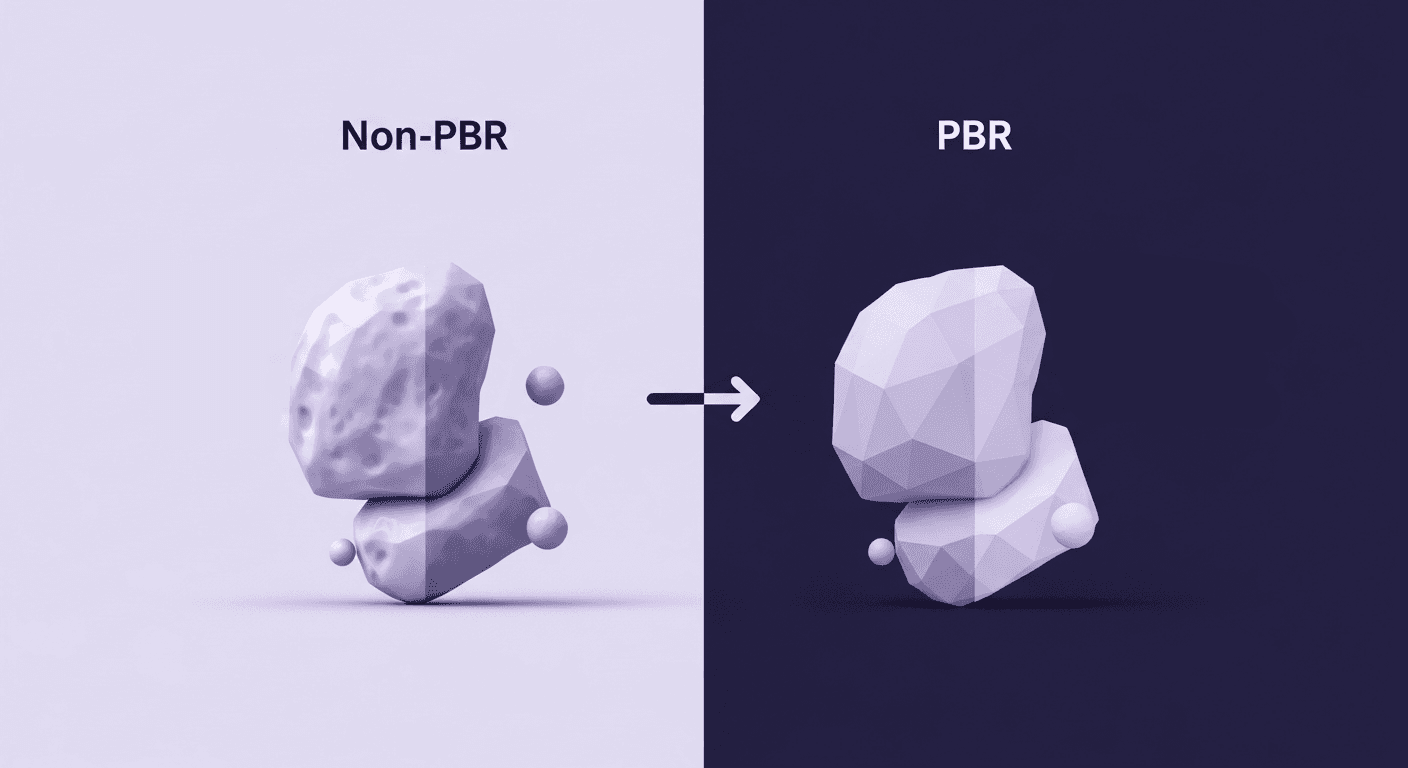
A visual comparison of a 3D rock asset, contrasting the left side labelled Non-PBR (using basic lighting to fake light) with the right side labelled PBR (Physically Based Rendering), which shows accurate geometric detail and complex lighting.
This graphic visually contrasts old Non-PBR material methods with modern PBR (Physically Based Rendering), demonstrating how PBR uses the physics of light to achieve a higher level of realism.

From Faking Light to Simulating Physics: PBR vs Traditional Materials

PBR textures3D textures

Navigate the paradigm shift from artistry to accuracy as we dissect PBR materials against traditional methods. This friendly dive clarifies how PBR's physics-based approach revolutionizes creative workflows, ensuring assets look right under any lighting and scaling efficiently.

Max Calder

Max Calder

Dec 3, 2025 · 11 mins read

This diagram represents the contrast between texture hunting in large, diverse libraries like PolyHaven and AmbientCG versus using an AI texture generation tool like Texturly.
The visual contrast between the scattered complexity of searching for materials in traditional free texture libraries (like PolyHaven or AmbientCG) and the streamlined efficiency offered by an AI texture generation service like Texturly.

Texturly vs PolyHaven & AmbientCG: Results from Our Complete Pipeline Analysis

PBR texturesAI in 3D design

Explore whether AI tools like Texturly can replace free libraries such as PolyHaven & AmbientCG. See how workflow speed, customization, seamless output, and realism make Texturly the professional choice for modern pipelines.

Mira Kapoor

Mira Kapoor

Dec 1, 2025 · 14 mins read
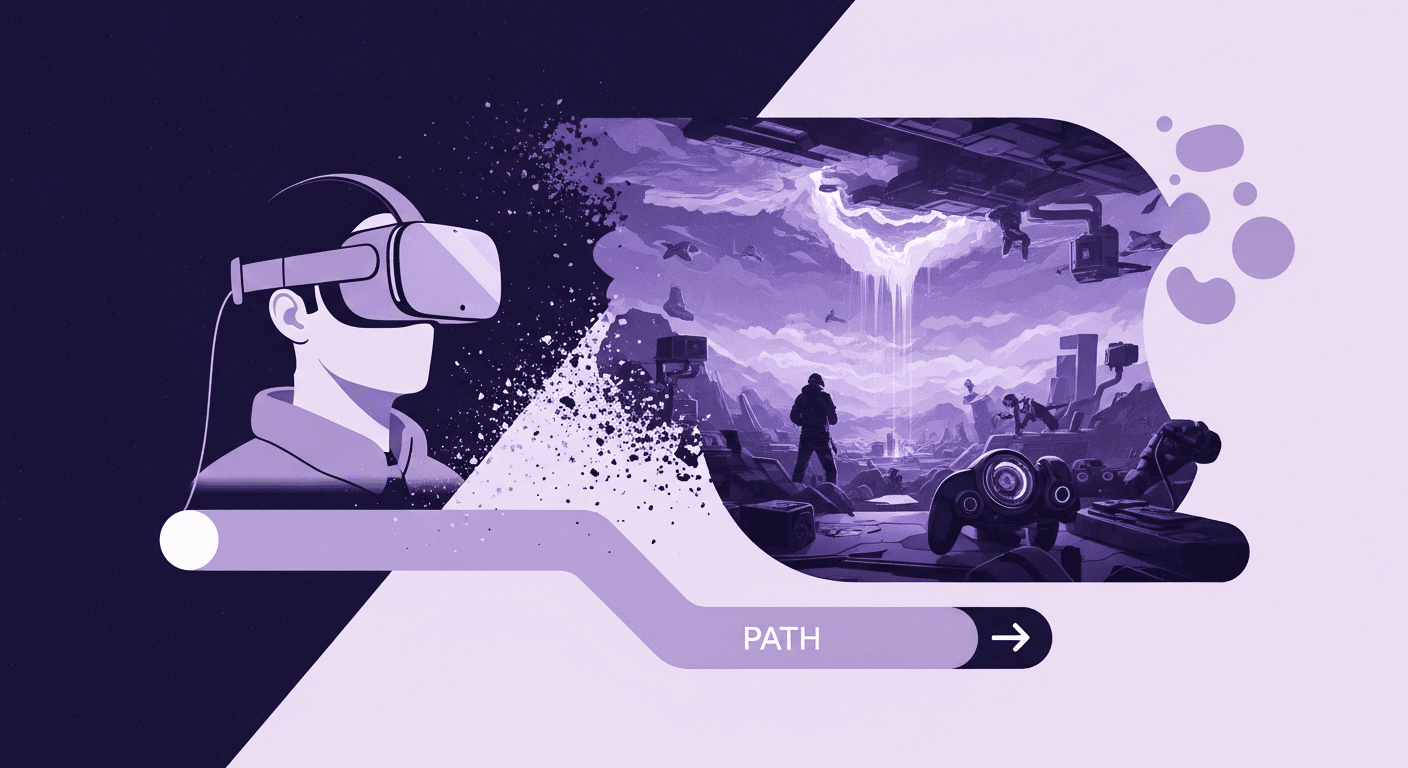
A split illustration showing the side profile of a person wearing a virtual reality (VR) headset on the left. The scene disintegrates from the headset into a complex, detailed 360-degree apocalyptic or sci-fi landscape on the right, which features figures, lightning, game controllers, and detailed terrain.
This visual demonstrates how high-fidelity 360 textures are crucial for creating deep, immersive, and believable environments, acting as the primary engine for the virtual experience.

Your Skybox Is Wearing Thin: How 360 Textures Became the Engine

AI in 3D design3D textures

Explore the transformative role of 360 environment textures in gaming as we dive into their impact beyond traditional skyboxes. Uncover how these textures drive dynamic lighting and immersion in VR and AR worlds, redefining game design's future.

Max Calder

Max Calder

Nov 28, 2025 · 14 mins read
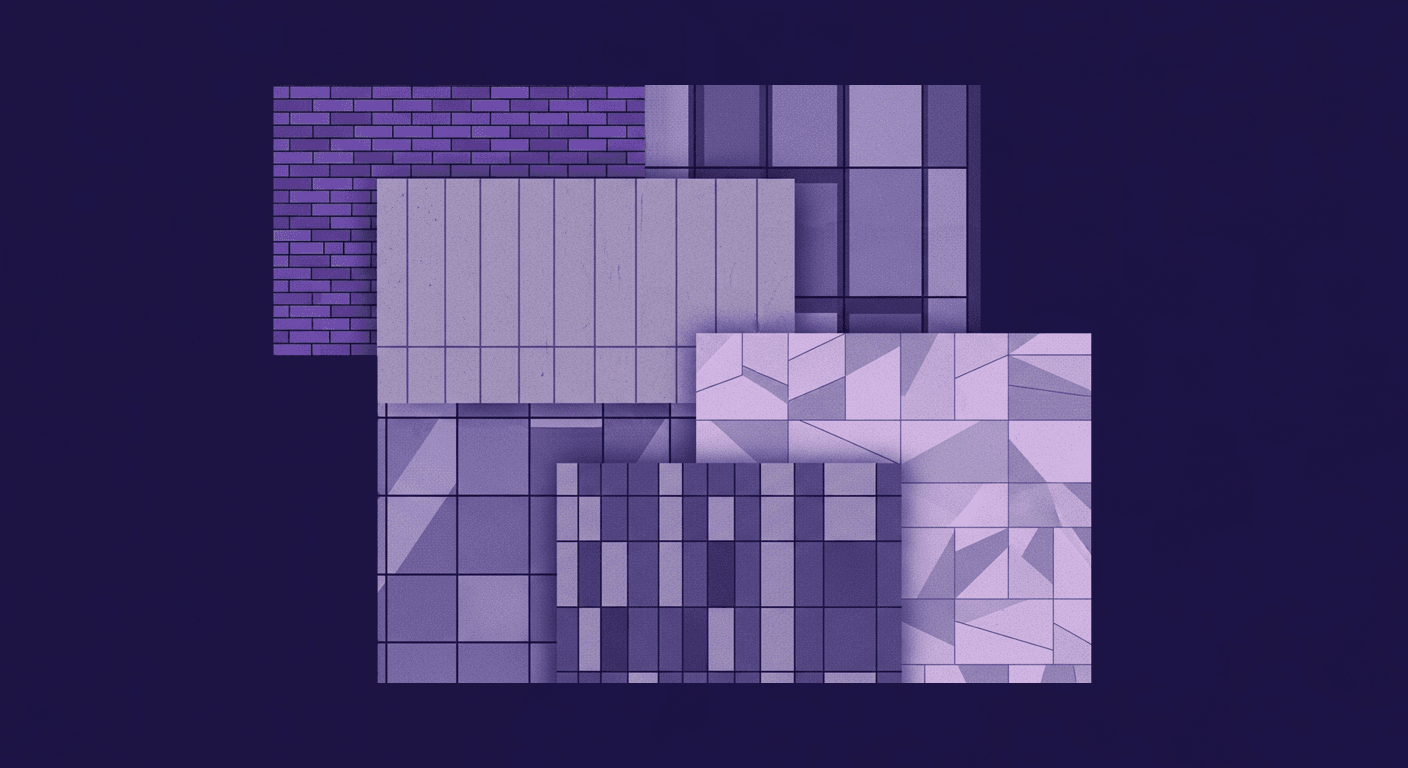
An abstract, purple-toned collage showcasing various architectural facade textures, including brick, modular panels, glass, and geometric patterns, symbolizing how external material choices deeply impact a building's performance and energy efficiency.
This abstract collage of different architectural textures (brick, glass, panels) illustrates how diverse facade materials and patterns are critical to optimizing a building's functional performance beyond just aesthetics.

More Than Skin Deep: How Facade Textures Drive Building Performance

Industry trendsTexture creation

Explore how building facade textures go beyond aesthetics to enhance energy efficiency by connecting architectural design with material science. This guide covers how thoughtful texture choices can transform your design into a high-performing asset.

Mira Kapoor

Mira Kapoor

Nov 26, 2025 · 9 mins read

Texturly company logo - a stylized letter T

Accelerate you workflow

with automated PBR texture generation

Enjoy creative freedom with AI powered texture creation